MANDORLA_simbolika
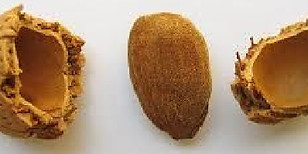
The mandorla is a geometric shape in the form of an almond. It symbolizes the transcendence of dualisms such as matter-spirit, water-fire, heaven-earth, etc., into a harmonious whole. Due to its geometric shape, the mandorla is associated with the symbolism of the rhombus, which is rounded on the sides. Like the rhombus, it signifies the union of heaven and earth, the lower and upper worlds, and is therefore perfectly suited for framing sacred figures. In traditional iconography, it is painted or shaped as an oval in which holy persons are depicted—Jesus Christ, the Virgin Mary, and other saints shown in immortal glory.


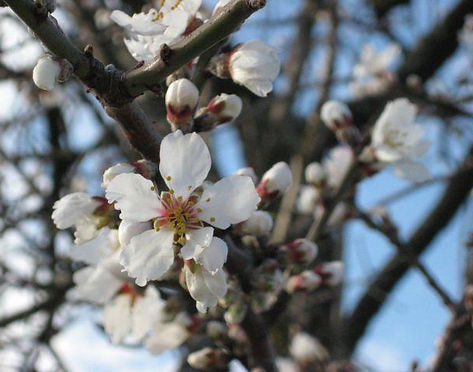


The symbol MANDORLA is associated with the almond tree, which is the first to blossom in spring and one of the first trees to blossom at the end of January or beginning of February. For the Hebrews, it was a symbol of new life, and the Hebrew name for this tree literally means "the one who watches." The almond tree is a symbol of innocence. They believe that the living Spirit within it is inherently good, enriching and protective! In wedding customs, the almond tree and its fruits have also become a symbol of stormy youth and undying love. Here in Slovenia, the almond tree is one of the earliest to blossom. In warm coastal areas, it blooms in early spring with white or reddish flowers, and its closest relatives are the peach and apricot trees.

Once upon a time, the worship of trees and their significance was very widespread, but today it is more of a memory of a bygone era. It is known that German Chancellor Otto von Bismarck regularly hugged his favorite tree. In this way, he established the flow of life forces and renewed his vital energy. Today, very few people respect these giant trees, which are extremely important for our existence.